July 27, 2026
A healthy lawn depends on more than mowing and fertilization. It also requires a dependable watering system that delivers the right amount of moisture to every part of the landscape. When irrigation is poorly designed, damaged, or inefficient, some areas may become oversaturated while others remain dry. These problems can waste water, increase utility costs, and make it harder to maintain consistent growth. Choosing the right lawn irrigation company can help homeowners avoid those issues by providing professional planning, installation, repairs, and ongoing support.
Evaluating Local Experience and Knowledge
Local experience matters because irrigation needs vary based on climate, soil, rainfall, landscaping, and watering restrictions. A contractor who regularly works in the area is more likely to understand these conditions and recommend a system that performs well throughout the year.
Ask how long the business has served the community and whether it has completed similar projects. Experience with comparable properties, local permits, backflow regulations, and water-use rules can help prevent delays and keep the project moving smoothly.
Reviewing Licenses, Insurance, and Credentials
Before hiring a lawn irrigation company, verify that it holds any licenses or certifications required in your state or municipality. Licensing standards can vary, but they often show that the contractor has met certain professional or technical requirements. Certifications from recognized irrigation organizations may also indicate that team members have received specialized training in design, installation, water management, or system auditing. These qualifications do not guarantee perfect results, but they can provide useful evidence of professional preparation.
Insurance is equally important because irrigation projects involve digging, equipment use, electrical connections, plumbing components, and work near structures or utilities. Ask whether the company carries general liability insurance and workers’ compensation coverage where required. Proper coverage can help protect homeowners if property damage or injuries occur during the job. A reputable contractor should be willing to provide documentation rather than expect customers to rely on verbal assurances.
Comparing Services and System Capabilities
Some irrigation providers focus mainly on new installations, while others offer repairs, seasonal maintenance, inspections, upgrades, and water-efficiency evaluations. Choosing a lawn irrigation company with a broad range of services may be helpful because the same team can support the system after installation. Ask whether the contractor handles broken sprinkler heads, leaking valves, damaged lines, controller problems, low water pressure, uneven coverage, and seasonal startup or winterization. Ongoing service can extend the usefulness of the system and reduce the inconvenience of finding a new provider each time a problem develops.
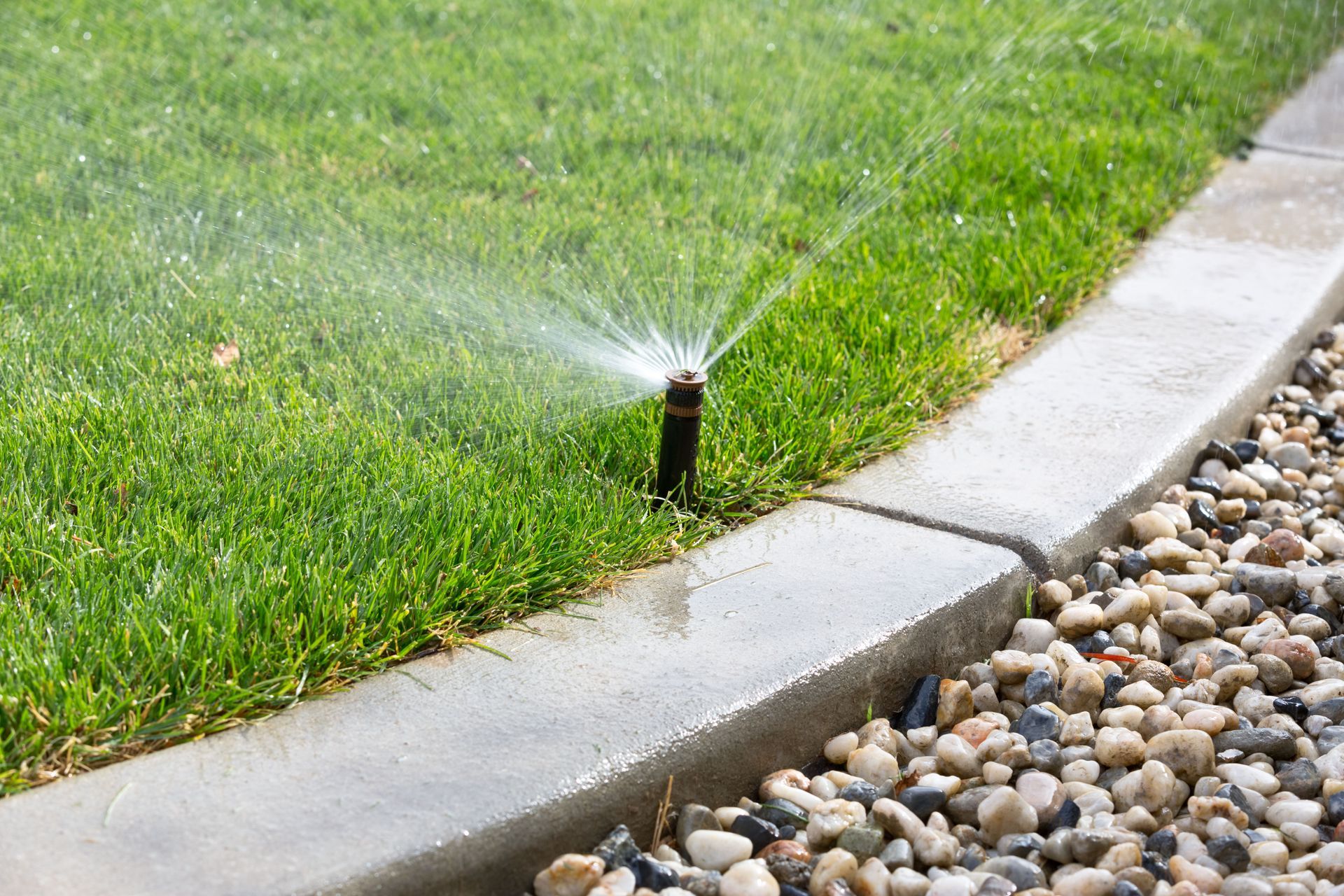
It is also important to understand the types of systems and components the contractor works with. Modern irrigation may include traditional spray heads, rotary nozzles, drip lines, rain sensors, soil moisture sensors, smart controllers, and zone-specific programming. According to Zipdo, about 40% of homeowners in the United States rely on sprinkler systems to water and maintain their lawns. With so many systems in use, selecting a provider that understands both conventional and newer technology can make future repairs and upgrades easier.
Assessing the Property Evaluation Process
A reliable lawn irrigation company should inspect the property before recommending a system or providing a final quote. The evaluation should consider lawn size, planting beds, sun exposure, shade, slopes, drainage, water pressure, soil characteristics, and the location of existing utilities. These factors influence the number of zones, sprinkler placement, nozzle selection, and watering schedule. A quick estimate without a careful site review may overlook important details that affect coverage and efficiency.
During the evaluation, pay attention to whether the contractor asks questions about your goals and current concerns. You may want to reduce dry patches, protect new landscaping, lower water use, automate watering, or replace an outdated system. A good provider should listen carefully and explain how the proposed design addresses those priorities. The conversation should feel specific to your property rather than based on a one-size-fits-all package.
Examining Water-Efficiency Recommendations
Efficient irrigation should deliver enough water to support healthy growth without creating runoff, puddling, or unnecessary evaporation. Ask each contractor how the proposed system will conserve water while maintaining reliable coverage. Useful strategies may include separating sunny and shaded areas into different zones, using matched precipitation nozzles, installing pressure-regulated heads, selecting drip irrigation for planting beds, and programming shorter watering cycles for sloped areas. These design choices can improve performance and reduce waste.
Smart controls can also help homeowners adjust watering based on weather, season, and landscape needs. Some controllers use local weather data, while others connect with rain or soil moisture sensors. However, technology is only effective when it is installed and programmed correctly. The contractor should explain how the controls work, show you how to make adjustments, and provide guidance on seasonal scheduling. Clear instructions can help you use the system confidently after the project is complete.
Requesting Detailed Estimates and Timelines
When comparing proposals, look beyond the total price. A detailed estimate from a lawn irrigation company should identify the scope of work, equipment, number of zones, controller type, labor, permits, cleanup, and any additional charges. It should also clarify whether landscape restoration is included after trenches are filled. Written details make it easier to compare companies fairly and reduce the risk of unexpected costs during the project.
Ask about the expected start date, project duration, and factors that could affect the schedule. Weather, permit approvals, utility marking, equipment availability, and property conditions may influence timing. A contractor should provide a realistic overview rather than making promises that may be difficult to keep. It is also helpful to understand how the company communicates delays, changes, or discoveries that require additional work.
Understanding Warranties and Ongoing Support
Warranties can vary widely, so homeowners should ask what is covered and for how long. The contractor may offer separate coverage for labor, sprinkler heads, controllers, valves, or other components. Find out whether warranty service includes travel or diagnostic charges and whether regular maintenance is required to keep coverage valid. Written warranty terms are easier to understand and reference than verbal promises.
Ongoing support is especially valuable because irrigation systems may need adjustments as plants grow, seasons change, or landscaping is modified. Ask how quickly the company typically responds to service calls and whether it offers maintenance plans or seasonal inspections. A provider that remains available after installation can help resolve small issues before they lead to water waste, lawn damage, or more expensive repairs.
Asking Clear Questions Before Hiring
Before making a final decision, prepare a short list of questions for each contractor. Ask who will perform the work, whether subcontractors are involved, what brands are used, how utility lines are located, and how the property will be protected during installation. You should also ask how the system will be tested and whether you will receive a final walkthrough. Direct questions can reveal how thoroughly the company plans projects and communicates with customers.
Pay attention not only to the answers but also to how they are delivered. A professional should explain technical information in a clear, respectful way without pressuring you to make an immediate decision. The right lawn irrigation company should make you feel informed and comfortable with the proposed work. Transparent communication at the beginning often sets the tone for the rest of the project.
Selecting an irrigation provider requires careful comparison, but the effort can lead to better system performance, less water waste, and a healthier landscape. Focus on local experience, licensing, insurance, service capabilities, property evaluations, efficient design, transparent estimates, warranties, and responsive support. By weighing these factors, homeowners can choose a lawn irrigation company that is prepared to meet their needs. For professional guidance and dependable irrigation service, contact Affordable Sprinklers.